

In the News


Welcome Rajah Saparapa!
Energy Access Project is excited to welcome its newest member Rajah Saparapa as a Policy Associate!


Research Agenda on Electrification Access and Productive Use
After a joint convening between Duke’s Energy Access Project and Oxfam, researchers and practitioners have compiled the most pressing and understudied questions that address the complex relationship between electricity access, productive end uses of electricity, and local economic development.

Podcast: A Small Green Idea to Power Rural Nepal
As Subhrendu Pattanayak and a group of researchers from Duke University navigate narrow catwalks high into the Annapurna mountain range in the Himalayas, they begin to understand first-hand the difficulties of establishing any set infrastructure in such difficult terrain.
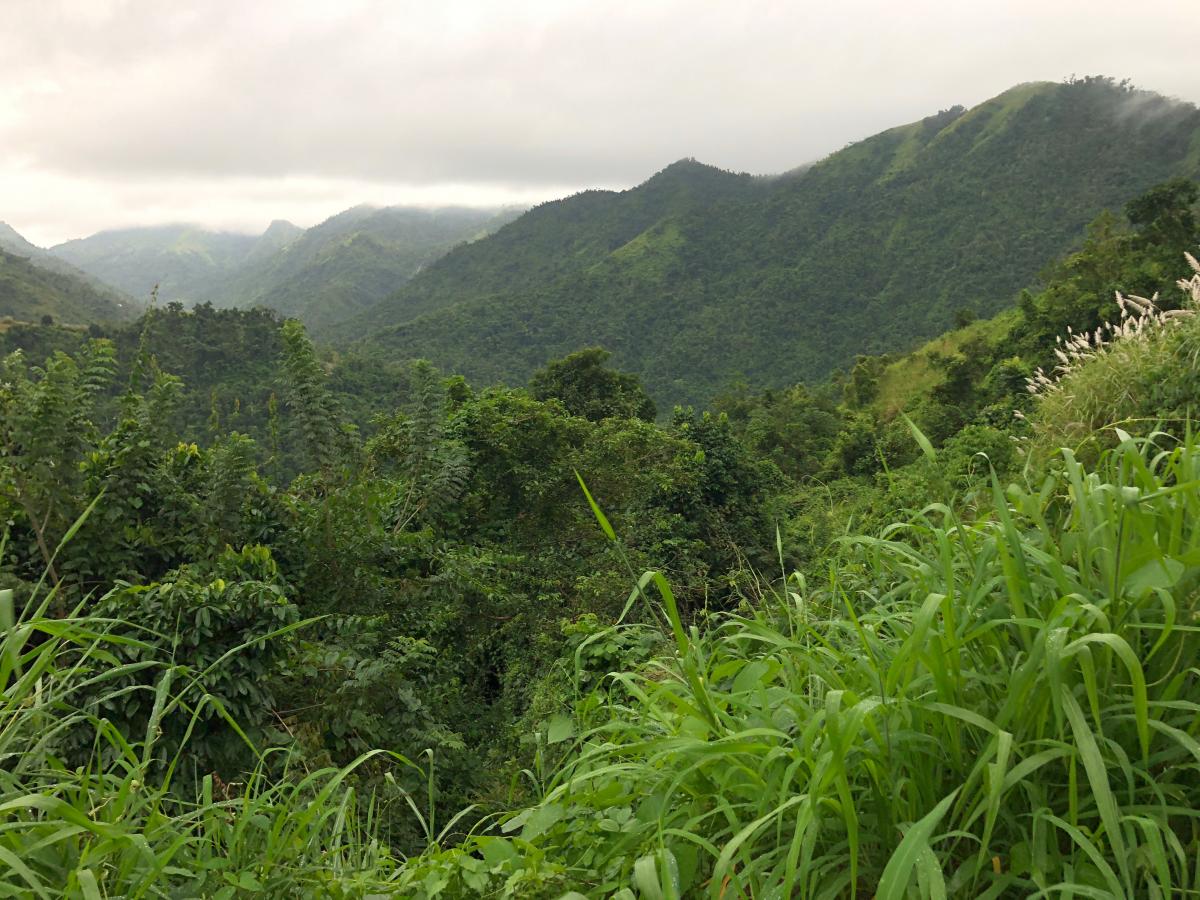
Three takeaways about Puerto Rico’s renewable energy revolution
How can Puerto Ricans increase grid reliability on their island? That’s the question our team of five students has been tackling this year for our master’s project at Duke University’s Nicholas School of the Environment, with guidance from faculty mentors Betsy Albright and Lori Bennear.

Import Tariffs – New Publication!
Researchers from Duke Energy Access Project have analyzed the price sensitivity of bottom of the pyramid consumers in East Africa, establishing the negative impacts of high solar import tariffs for solar dissemination.

Can Household Biogas Deliver Sustainable Development?
Robyn Meeks and collaborators offer new evidence on household biogas systems which suggests that biogas use reduces collect firewood and time spent collecting fuel, reducing pressure on forest stocks and shifting household time allocation towards higher value activities.
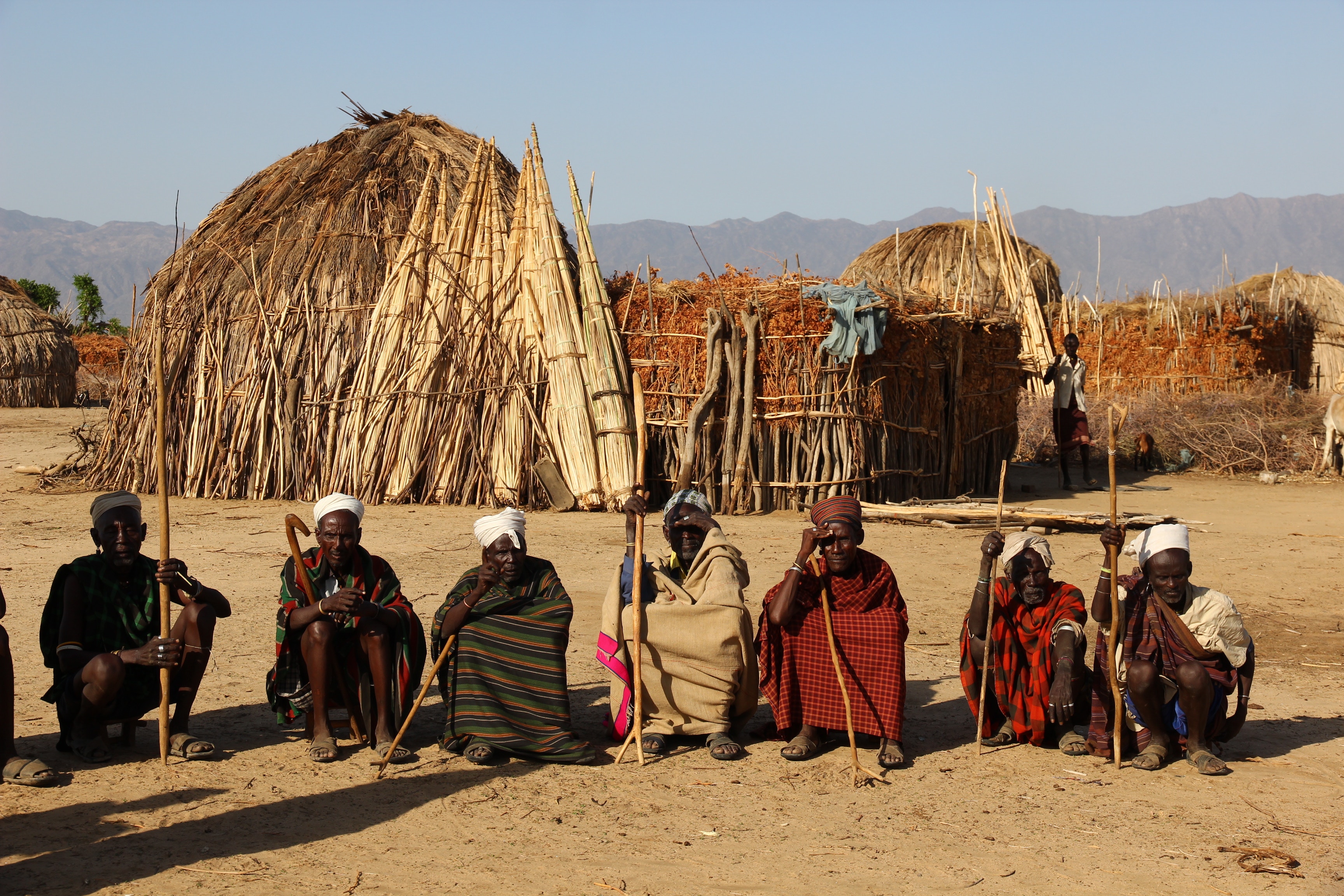
New Project in Collaboration with Ethiopian Development Research Institute
The Energy Access Project is excited to announce a new collaboration between Duke and the Ethiopian Development Research Institute to evaluate current energy access policies in the region.

Seeking natural capital projects: Forest fires, haze, and early-life exposure in Indonesia
New Publication! Natural capital will be depleted rapidly and excessively if the long-term, offsite impacts of depletion are ignored. By examining the case of tropical forest burning, we illustrate such myopia: Pursuit of short-term economic gains results in air pollution that causes long-term, irreversible health impacts.