

In the News


Harnessing the Power of Data: Sustainable Energy Transitions Initiative Conference
On May 15–17, 2018, more than 100 academic researchers and energy access practitioners gathered at Duke University to discuss critical issues related to energy access as part of the third annual conference for the Sustainable Energy Transitions Initiative (SETI). Presentations by Kyle Bradbury of Duke University, Johannes Urpelainen of Johns Hopkins University, Nathan Williams of Carnegie Mellon University, and Jay Taneja of the University of Massachusetts–Amherst highlighted remarkable advances in energy data analytics, described applications for developing world energy challenges, and outlined remaining data-related hurdles impeding progress on energy access. Energy developers, utilities, planners, and policy makers are often not equipped with the necessary tools to understand the changing landscape of energy delivery options and customer preferences. Researchers and grid operators are often restricted by outdated, unavailable, or biased data in the field. Through innovative methods and analytical tools, such as remote sensing, satellite imagery, and machine learning, data analytics are improving our understanding of energy demand in rural areas, customer needs and expectations, the local availability of energy resources, and the realities of providing electricity to underserved communities. These proceedings present key conference takeaways related to the core theme of energy data analytics.

Can a Modernized U.S. Development Finance Institution Help Close the Energy Financing Gap?
A new policy brief outlines the energy financing gaps in emerging markets and analyzes how the new tools and authorities proposed under the BUILD Act legislation would equip the U.S. development finance institution to respond to those financing needs.
Achieving Universal Energy Access by Closing the Gap between What we Know and What we Do
In a Brookings blog post, Duke University Energy Access staff write about a three-year study of more than 77,500 papers on energy access and the internationally agreed on Sustainable Development Goals. Marc Jeuland of Duke’s Sanford School of Public Policy and Energy Access Project Director Jonathan Phillips will present findings from this work in Lisbon, Portugal, at the fourth Sustainable Energy for All forum May 2-3.

Duke Sophomores Aim to Transform Cold Storage in India
The Hult Prize, the world’s largest social entrepreneurship competition for college students, advertises itself as the “Nobel Prize for social entrepreneurs.” Now a Duke team—mPower—is heading to the Hult finals with an idea to address India’s shortage of agricultural cold storage solutions by offering a novel storage and distribution network that compensates farmers and simplifies the supply chain. To get here, team member Harshvardhan Sanghi, a Duke mechanical engineering major, told Duke Today that “we leveraged our resources at Duke, including the Innovation and Entrepreneurship Initiative as well as the newly launched Energy Access Project. Our network of mentors helped us flesh out minute details within our business model, clarify logistics, and improve the viability of our proposed technology.”
Energy as the Golden Thread: What do we Know?
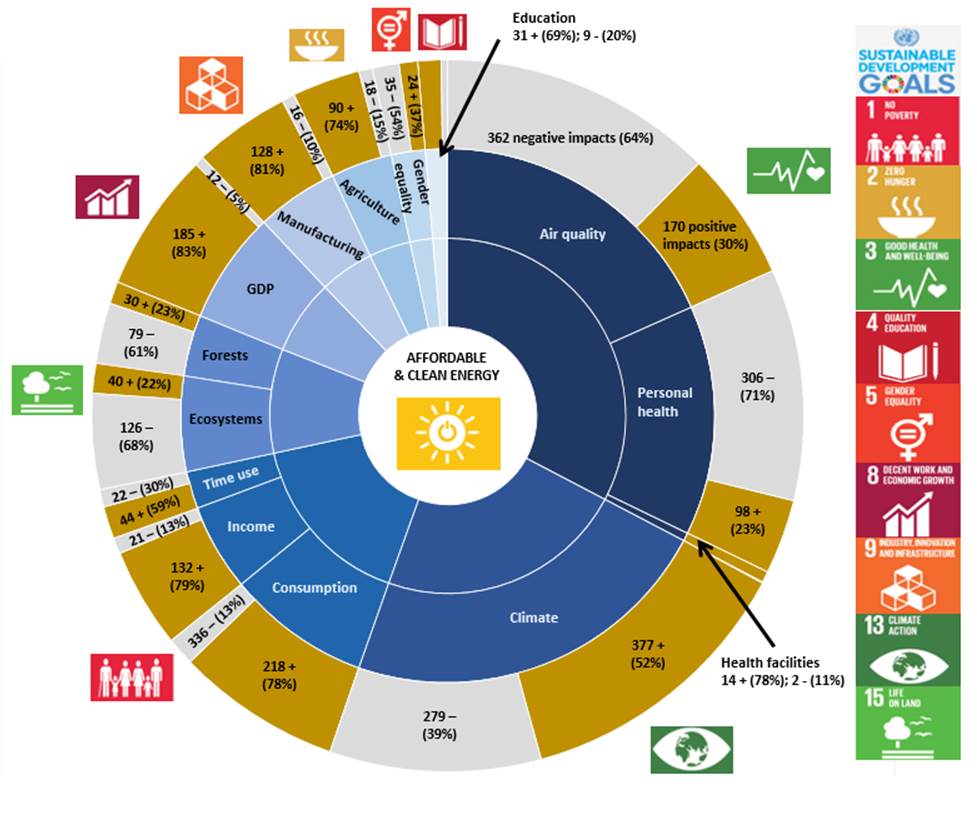
Energy has been called the “golden thread” connecting economic growth, social equity, and environmental sustainability—but what do we know about the drivers and impacts of energy transitions in low- and middle-income countries? To answer this question, the Sustainable Energy Transitions Initiative, the Duke University Energy Access Project and Environment for Development, characterized nearly 80,000 academic articles related to the social dimensions of energy and development to produce a systematic, broad in coverage, and replicable “energy services” framework. This new research highlights how changes in energy access and technology most clearly affect outcomes in 9 of the 17 U.N. Sustainable Development Goals and it defines the critical research knowledge gaps to help policy makers better understand how energy relates to end users’ well-being.

Seven Takeaways from the Energy Access Project Launch
Some of the leading lights from the energy access community convened in Washington, D.C., February 23 for the launch of Duke University’s Energy Access Project. As the new project assembles its agenda, leaders from business, government, and civil society weighed in on the market and policy challenges facing the billions of people lacking access to modern energy. Here’s some of what we heard.

Request for Proposals: Summer 2018 Energy Access Internships and Research Projects
The Energy Access Project invites proposals for student internships or research projects in Summer 2018 related to energy access in less-developed countries, with a focus on either modern technologies and fuels for cooking, or access to reliable, affordable, safe, and sustainable electricity. Undergraduate and graduate students at Duke University who are currently enrolled, and will be enrolled full-time at Duke in Fall 2018, are eligible to apply for up to $5,000. Apply by 5 p.m., Thursday March 8.

Pattanayak Appears on Policy 360 Podcast
Energy Access Project Faculty Director Subhrendu Pattanayak appears on the Policy 360 podcast to discuss the project. It’s estimated that 1.2 billion people around the world live without electricity, while another billion have only limited access to electricity. Billions more lack access to clean fuel and technology for cooking. Now, there’s an exciting new endeavor designed to address the energy needs of the world’s poor. The Energy Access Project aims to bring an interdisciplinary approach to one of the world’s most vexing issues.
Duke University Introduces Energy Access Project in D.C.
Leaders from business, government, civil society and academia came together in Washington, D.C., on February 23 to explore one of the world’s most pressing challenges at Accelerating Global Energy Access, the formal introduction to Duke University’s Energy Access Project. Nearly a third of humanity lacks reliable electricity and three billion people are without clean fuels and technologies for cooking. At the event, Energy Access Project staff and sector leaders examined ways to tackle the energy access challenge in conversation on the use of renewables, so-called last mile electrification, and financing to support viable pathways to sustainable and modern energy solutions for all.